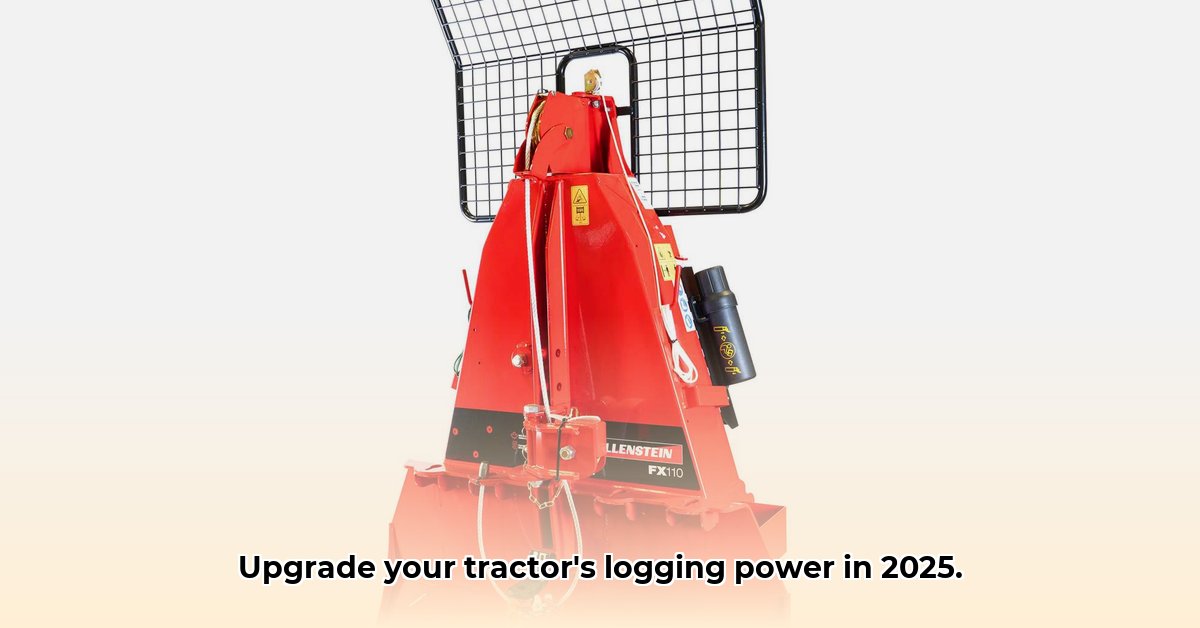
Choosing the right logging winch is crucial for efficient and safe timber harvesting. This guide compares hydraulic and mechanical winches, helping you select the best option for your needs, budget, and logging conditions. We'll cover safety, maintenance, and troubleshooting to ensure your operations are both productive and safe. For more information on tractor hitches, check out this helpful resource.
Hydraulic vs. Mechanical Winches: A Comparative Analysis
The logging industry relies heavily on two primary winch types: hydraulic and mechanical. Each offers distinct advantages and disadvantages, influencing their suitability for various applications.
Hydraulic Winches: Advantages and Disadvantages
Hydraulic winches utilize hydraulic fluid to generate pulling power, offering several key benefits:
Advantages:
- Remote Operation: Operate the winch from a safe distance using remote controls, minimizing risk and physical strain on the operator. (Remote operation reduces operator exposure to hazards.)
- Smooth, Controlled Operation: Automated spooling systems ensure consistent cable winding, preventing tangles and extending cable lifespan. (Smooth operation minimizes cable wear and tear.)
- Enhanced Safety Features: Many models incorporate overload protection, emergency brakes, and other safety mechanisms. (Safety features mitigate operational risks.)
- Increased Efficiency: Greater power and ease of use lead to faster logging operations. (Increased efficiency translates to higher productivity.)
Disadvantages:
- Higher Initial Cost: Hydraulic winches are more expensive than mechanical winches. (Higher initial investment requires careful budget planning.)
- Complex Maintenance: They have more components, requiring specialized knowledge and potentially higher maintenance costs. (Specialized maintenance might necessitate professional assistance.)
- Potential for Hydraulic Failure: Leaks or malfunctions can cause downtime. (Hydraulic system failures can significantly disrupt operations.)
Mechanical Winches: Advantages and Disadvantages
Mechanical winches rely on gears and cables, providing a simpler and often more affordable alternative:
Advantages:
- Lower Initial Cost: Generally less expensive to purchase than hydraulic winches. (Lower upfront cost makes them attractive for budget-conscious operations.)
- Simpler Maintenance: Fewer components mean simpler maintenance procedures. (Simpler maintenance reduces costs and downtime.)
- Robust Construction: Often built for durability, extending their lifespan under harsh conditions. (Rugged design withstands considerable stress and wear.)
Disadvantages:
- Physical Exertion: Operating a mechanical winch requires considerable physical effort, leading to operator fatigue. (Physical strain increases the risk of operator injury.)
- Limited Safety Features: Fewer inherent safety mechanisms compared to hydraulic winches. (Limited safety features demand increased operator vigilance.)
- Slower Operation: Generally slower than hydraulic winches, reducing overall efficiency. (Slower operation might affect overall productivity.)
Choosing the Right Winch: A Step-by-Step Guide
Selecting the appropriate winch involves several key considerations. Follow these steps to make an informed decision:
Assess Tractor Capabilities: Check your tractor's horsepower, PTO capacity, and hydraulic system capacity (for hydraulic winches). Ensure the winch's power requirements align with the tractor's capabilities. (Matching winch capacity to tractor capabilities prevents overloading and equipment damage.)
Evaluate Logging Conditions: Terrain, log size, and forest density significantly impact winch selection. Steeper slopes and larger logs necessitate more powerful winches. (Considering logging conditions ensures the winch is adequately powerful for the task.)
Determine Your Budget: Factor in the initial purchase price, maintenance costs, and potential repair expenses. (Accurate budgeting prevents unexpected financial strain.)
Prioritize Safety: Choose a winch with appropriate safety features like overload protection and emergency brakes. Prioritize operator training. (Prioritizing safety minimizes operational risks and potential injuries.)
Consider Operator Experience: Less experienced operators may find mechanical winches more challenging to operate. (Operator skill level influences winch selection.)
Safety Procedures: Minimizing Risk in Logging Operations
Safety is paramount in logging. Adhere to these critical safety procedures:
- Proper Rigging: Follow proper rigging techniques to prevent accidents and equipment damage. Use high-quality cables and shackles. (Proper rigging techniques are essential for preventing accidents and equipment failure.)
- Regular Inspections: Regularly inspect cables, hoses, and moving parts for wear and tear. Address any issues immediately. (Regular inspections prevent premature equipment failure and potential accidents.)
- Emergency Procedures: Develop and practice emergency procedures for quick cable release. (Emergency procedures ensure a swift and safe response to unforeseen events.)
- Personal Protective Equipment (PPE): Always wear appropriate PPE, including safety glasses, gloves, and hearing protection. (PPE protects operators from potential injuries.)
Maintenance and Troubleshooting: Keeping Your Winch Operational
Regular maintenance extends winch lifespan and minimizes downtime.
| Winch Type | Routine Maintenance | Common Problems & Troubleshooting |
|---|---|---|
| Hydraulic | Check fluid levels, inspect hoses, lubricate moving parts. | Leaks: Check hoses, fittings, seals. Low fluid: Top off correctly. No power: Verify pump, fuses, electrical connections. |
| Mechanical | Inspect cables, lubricate moving parts, check drum and gears. | Cable damage: Replace. Brake failure: Inspect/repair. Gear damage: Repair/replace. |
Conclusion: Making the Right Choice for Safe and Efficient Logging
Selecting the right logging winch involves careful consideration of numerous factors. Prioritize safety, evaluate your needs realistically, and choose a winch that balances performance, reliability, and your budget. Regular maintenance and adherence to safety procedures are crucial for safe and efficient logging operations. Remember to consult manufacturer's instructions for specific maintenance and operation guidelines.
Resources
(Links to relevant manufacturers and safety organizations would be included here.)